



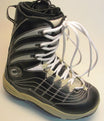




Ice skates have to fit firmly so that you can stand securely on the ice and transfer power. But it is precisely this firm fit that often leads to blisters and pressure points on the ankle, heel and inside of the foot. This affects recreational skaters just as much as ice hockey players and speed skaters on ice. In this guide you will find out where the typical problem areas are, how you can prevent problems with fit, lacing and socks, and how very thin neoprene protection can help without losing the feel for the boot.
Typical problem areas in ice skates
An ice skate encloses the foot much more tightly than a normal shoe. Strong lateral forces act when pushing off, braking and changing direction. Particularly affected are:
- Inner and outer ankle: This is where the stiff shaft presses, especially with new or very stiff boots.
- Heel: If the boot is too wide at the back or laced too loosely, your heel slips with every push-off.
- Inside of the foot and ball of the foot: When skating on edge and in curves, the foot is loaded sideways.
- Instep: Lacing that is too tight or a thick fold in the tongue can press on the top of the foot.
- Toes: If the boot is too short, your toes hit the front.
Fit: firm but not painful
An ice skate fits correctly if your heel does not lift while skating and your ankle is well supported. Your toes may lightly touch the front when standing and should have a little room in the typical slight knee bend. A boot that is too large is no solution for pressure points: your foot slides around in it, and that is exactly what creates friction and blisters.
New ice skates need a breaking-in period. Skate only briefly the first few times and increase the duration gradually. With ice hockey skates and speed skating boots with a rigid shell, the shell of some models can be adapted using heat. Ask a specialist retailer whether your model is suitable for this.
You will find basic tips on design, size and care in our guide Buying ice skates. You can see our remaining models in the Ice skates category.
Lacing and socks
- Lace zone by zone: A little looser in the forefoot so that your toes have room and stay warm. Firmer over the instep and ankle so that your heel stays in place.
- Pull the tongue smooth: A twisted tongue creates pressure on the instep. Pull it straight up before lacing.
- Do not cut off circulation: If your toes or foot go numb, the lacing is too tight.
- Wear thin socks: Thick wool socks are tempting on the ice, but they change the fit and form creases. Thin technical socks fit smoothly and wick away moisture.
- Dry after skating: Leave your boots open to air-dry so that the liner is not damp next time.
1 mm neoprene protection: protection with direct contact to the boot
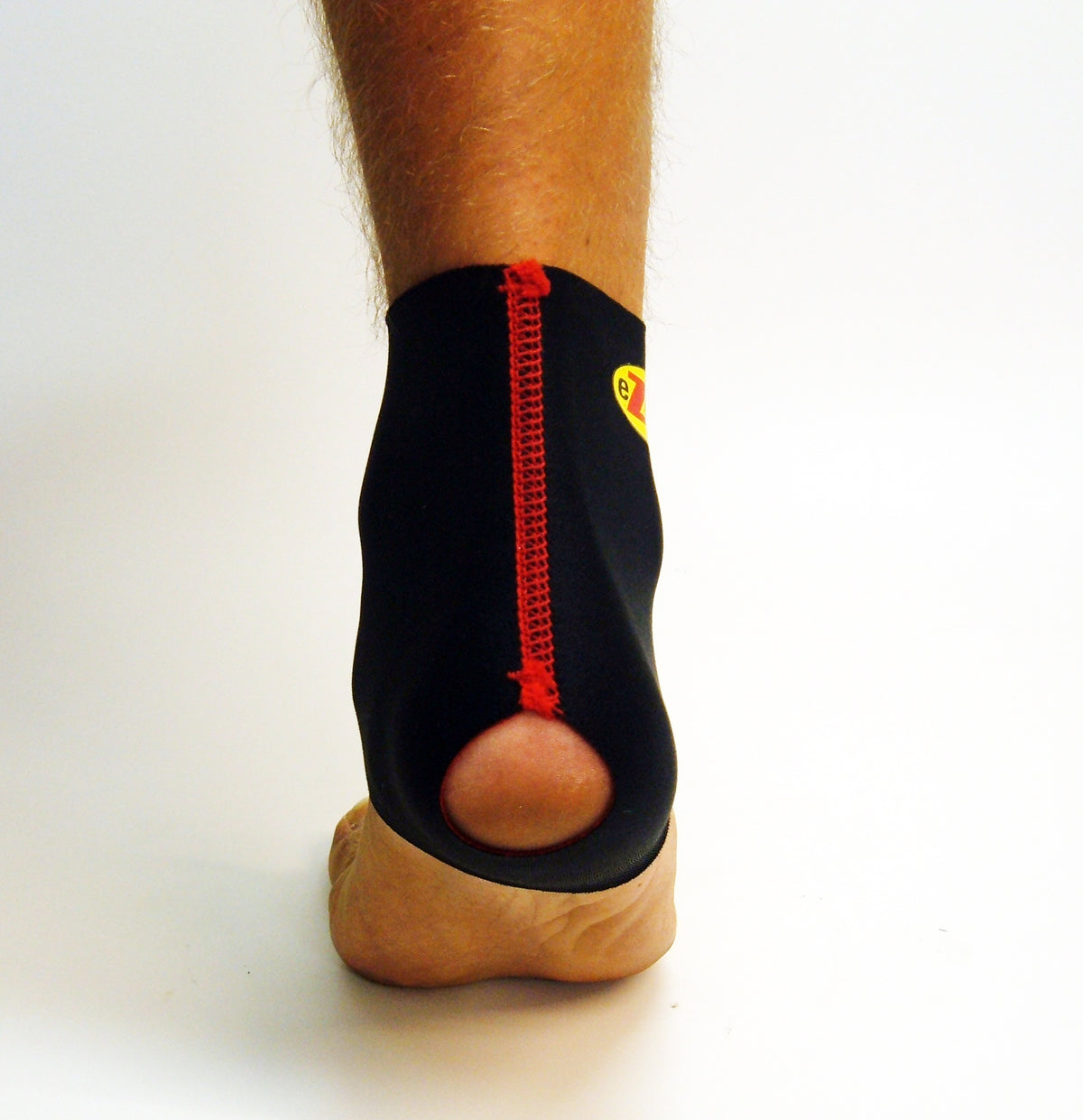
In ice sports, the feel for the boot is important. Any additional padding can change your control. That is why a very thin solution is usually preferred here. According to the product description, the ultra-thin 1 mm Ankle Booties are particularly valued by athletes who need direct contact with their boot or sports equipment. Among others, speed skaters on ice and ice hockey players are mentioned there, but also inline speed skaters, footballers and sprinters.
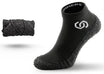
The Ankle Booties consist of a neoprene sock with almost seamless construction. They are worn on bare skin and simply pulled on under your normal sports sock. This places a smooth layer between your skin and sock, and the friction shifts away from the skin.
| Situation | Possible choice |
|---|---|
| tight ice hockey or speed skating boot, direct contact wanted | Ankle Booties 1 mm |
| tight boot, preference for slightly softer material and more padding | Ankle Bootie SKIN (1 mm) |
| recreational ice skate with plenty of room and more severe chafing | consider a thicker version, see comparison |
We compare in detail which thickness suits which boot in the guide Ankle Booties: 1, 2 or 3 mm? Try the protection during a short session first and then check your lacing, as the fit may change slightly.
From inline skates to the ice
Many inline skaters move onto the ice in winter, and many ice speed skaters train on wheels in summer. The problem areas are similar in both sports because the boot and the movement are comparable. You can read what helps against blisters when skating in our article Avoiding blisters and pressure points when inline skating.
If the blister is already there
If possible, do not open blisters and cover them with a blister plaster. Take a break until the skin has healed or relieve the pressure on the spot. For open, inflamed or recurring spots, please seek medical advice. If pressure points keep coming back in the same place despite good lacing, the cause often lies in the fit of the boot.
Do you have questions about fit or size? Call us on +49 (0) 77 20 / 34 70 6, write to us using the contact form or come to our shop in Villingen-Schwenningen.